
Most people assume that inviting strangers into their home is a gamble. Yet 99.7% of exchanges on major platforms are completed without a single reported incident. That number challenges the gut-level fear that keeps many travelers from trying house swapping at all. The reality is that platforms, community accountability, insurance protections, and smart personal habits combine to create a travel option that is, in many measurable ways, safer than booking a random short-term rental. This article breaks down the evidence, addresses the real risks honestly, and gives you the practical tools to swap with confidence.
Table of Contents
Key Takeaways
| Point | Details |
|---|---|
| Layered safety checks | Verified IDs, ownership, and reviews greatly reduce house swapping risks. |
| Trust through reciprocity | Both swappers have reputations at stake, encouraging trustworthy interactions. |
| Protection and peace of mind | Insurance, guarantees, and clear processes back up your exchanges if issues arise. |
| Real risks are low | Data shows less than 1 percent of swaps experience serious problems. |
| Smart habits add safety | Clear agreements and secure in-platform actions help keep every swap trouble-free. |
How house swapping platforms ensure member safety
The safety of any house swap starts long before you hand over your keys. Reputable platforms build multiple layers of verification into the process, so by the time you connect with another member, you already know a great deal about who they are.
Identity verification, profile completion, home ownership checks, and review systems form the backbone of member trustworthiness on established platforms. Members typically submit government-issued ID, confirm their address, and complete a detailed home profile before they can send or accept swap requests. Some platforms also verify home ownership through official documents, adding another checkpoint that anonymous rental sites simply don’t offer.
Review systems add a layer of long-term accountability that is hard to replicate elsewhere. After every exchange, both parties rate each other. A member who leaves a home in poor condition or behaves unreliably will accumulate negative reviews that follow their profile permanently. This creates a strong incentive to be a good host and a respectful guest every single time.
Here’s a quick look at the core safety features you should expect from any serious platform:
-
Identity verification: Government ID checked against profile details
-
Home ownership confirmation: Documents proving the listing is legitimate
-
Profile completeness score: Encourages members to share photos, bios, and references
-
Two-way review system: Both swappers rate the experience after each exchange
-
Verification badges: Visual indicators of trusted, fully verified members
-
Responsive support team: Available to mediate disputes or answer safety concerns
| Safety feature | House swapping platform | Anonymous short-term rental |
|---|---|---|
| Identity verification | Yes, required | Often optional |
| Home ownership check | Yes, on major platforms | Rarely |
| Two-way reviews | Yes | Guest-only in most cases |
| Community accountability | High, repeat members | Low, one-time transactions |
| Dedicated safety support | Yes | Varies widely |
Pro Tip: When evaluating a platform, look specifically for layered verification badges on member profiles. A badge showing both ID and home ownership verification signals the highest level of trust before you even send a message.
Understanding how the process works on a platform you’re considering will help you recognize which safety features are active at each stage of your swap.
Established platforms prioritize safety in ways that smaller or newer niche sites often cannot match, and user experiences consistently align with the low incident statistics the data supports.
Accountability and trust: The role of reciprocity and reviews
Formal verification is only part of the picture. The deeper reason house swapping tends to be safe is the social dynamic built into every exchange: both parties have real skin in the game.
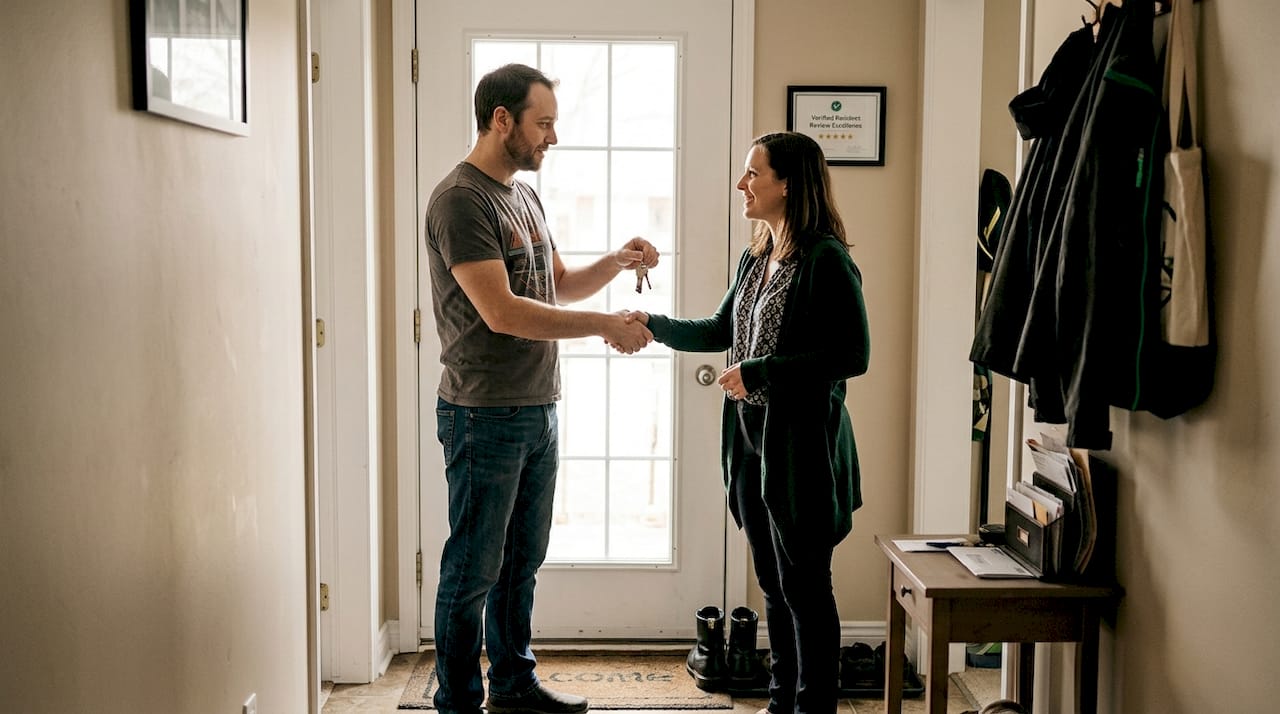
Mutual reciprocity creates accountability because both swappers are simultaneously hosts and guests. You’re trusting someone with your home while they trust you with theirs. That shared vulnerability changes behavior in a fundamental way. Neither party wants a bad review, and neither wants their own home treated poorly, so both are strongly motivated to act with care and respect.
This is a meaningful contrast to anonymous short-term rentals, where a guest has no reciprocal stake. In a swap, the relationship is inherently balanced.
| Accommodation type | Guest accountability | Host accountability | Reciprocal risk |
|---|---|---|---|
| House swap | High, mutual reviews | High, mutual reviews | Yes, both parties |
| Short-term rental | Moderate, guest reviews | Moderate, host reviews | No |
| Hotel | Low, anonymous stay | Low, brand reputation | No |
Community self-selection also plays a significant role. People who join home swapping platforms tend to be homeowners or long-term renters with established lives, stable addresses, and reputations to protect. The profile-building process itself filters out casual or anonymous users before any exchange takes place.
“The community aspect of home swapping creates a level of mutual trust that anonymous accommodation simply cannot replicate. When both parties have something meaningful at stake, the incentive to behave responsibly is built into the structure of every exchange.”
Here is a numbered breakdown of how community trust compounds over time on a swapping platform:
-
Member joins and completes verification to establish a credible profile
-
First swap builds a review record, creating a public reputation
-
Positive reviews attract better matches, reinforcing good behavior
-
Repeated swaps deepen community standing, making members more trusted over time
-
Negative behavior is visible and persistent, acting as a deterrent against poor conduct
Reciprocity and community self-policing via reviews consistently outperform the accountability structures of anonymous rentals, and the empirical incident data supports this conclusion. Joining a safe house swapping platform means entering a community where reputation genuinely matters.
Insurance, guarantees, and protection for swappers
Even the most trustworthy community benefits from a financial safety net. Fortunately, major house swapping platforms have built meaningful protections into their membership offerings.
The numbers are substantial. Up to $2 million in property damage protection is available on leading platforms, along with cancellation compensation of up to $840 per week and secure handling of any deposits involved. These figures put house swapping well ahead of most short-term rental platforms in terms of structured financial protection.
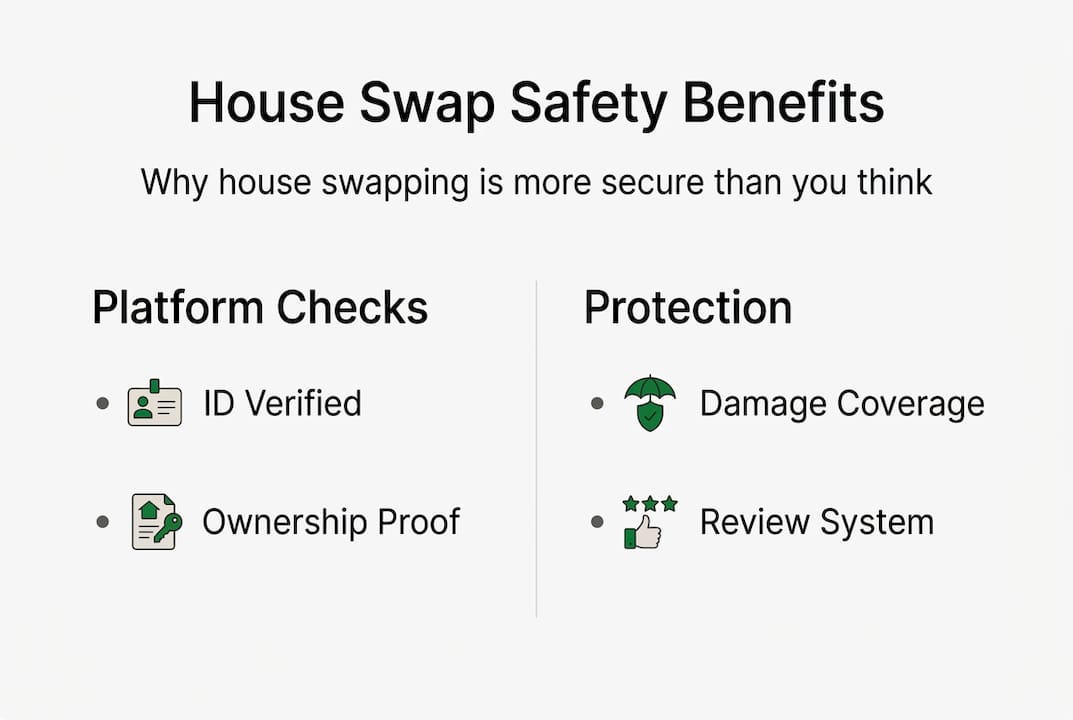
Cancellation coverage matters more than many first-time swappers realize. If your swap partner cancels at the last minute, you could be left without accommodation mid-trip. Platforms that offer cancellation compensation give you a financial cushion while you make alternative arrangements, which significantly reduces the practical risk of last-minute disruptions.
Here are the key protections to look for when evaluating any platform:
-
Property damage guarantee: Covers repair or replacement costs above a standard threshold
-
Cancellation compensation: Financial reimbursement if a confirmed swap falls through
-
Secure deposit handling: Platform holds any deposits to prevent disputes
-
Dispute mediation: A dedicated team to help resolve disagreements fairly
-
Clear claims process: Transparent steps for filing and resolving any incident
Pro Tip: Before your first swap, review your existing homeowner’s or renter’s insurance policy. Personal insurance and lease terms may not automatically cover a home exchange situation, so it’s worth a quick call to your provider to confirm your coverage or add a short-term endorsement.
It’s also worth noting that most incidents are minor and resolved directly between swappers without ever needing to involve a platform’s claims process. A broken glass or a scuffed wall is the kind of thing that comes up occasionally and is almost always handled with a simple, friendly message. Serious damage is genuinely rare.
Smart safety habits for home swapping success
Platform protections and community accountability do most of the heavy lifting, but your own habits before, during, and after a swap make a real difference too.
Practical safety steps include scheduling a video call before confirming any exchange, locking away valuables, drafting a detailed written agreement, preparing an emergency contact list, and creating a house manual for your guests. These steps take relatively little time but dramatically reduce the chance of misunderstandings.
Here is a seven-step checklist to follow before every swap:
-
Video call your swap partner to verify identity and discuss expectations in person
-
Check their profile and reviews carefully, looking for consistency and detail
-
Sign a written swap agreement covering dates, house rules, and any special arrangements
-
Secure valuables and personal documents in a locked cabinet or off-site storage
-
Prepare a thorough house manual covering appliances, emergency contacts, and local tips
-
Confirm your insurance coverage with your provider before the swap begins
-
Exchange emergency contacts including a trusted neighbor or local contact
Fraud prevention deserves its own attention. All payments must go through the platform’s official channels. Never send money or personal financial details through email, messaging apps, or any off-platform method. Phishing attempts do exist in this space, and the simplest defense is to keep every transaction and communication inside the platform’s verified system.
Additional habits that experienced swappers recommend:
-
Photograph your home before and after each swap
-
Set clear expectations about guest numbers and pet policies in writing
-
Leave a welcome note with key information and your preferred contact method
-
Ask your swap partner to do the same so you arrive prepared
Taking time to focus on preparing your property for a swap also signals to your swap partner that you are a serious, trustworthy member, which tends to attract equally careful guests in return.
Why the risks of house swapping are lower than you think
Popular perception tends to amplify rare incidents and ignore the overwhelming majority of exchanges that go smoothly. The truth is that most swappers, even those who have completed dozens of exchanges, report only small, easily resolved issues over the course of their entire swapping history.
The combination of self-selecting members, layered verification, two-way reviews, and meaningful insurance creates a system where serious problems are genuinely uncommon. Compare that to booking a hotel room where you have no idea who stayed before you, or renting from an unverified host on a platform with minimal accountability. House swapping, done through a reputable swap platform safety framework, consistently performs better on the metrics that actually matter to travelers.
The risks are real but proportionate. A broken item, a misunderstood house rule, or a late check-out are the realistic concerns, not the dramatic scenarios that tend to dominate the conversation. Keeping that perspective means you can approach your first swap with eyes open and anxiety appropriately calibrated.
Ready to swap safely? Discover trusted platforms
If the evidence has shifted your thinking, the next step is finding a platform built around the safety principles covered here.
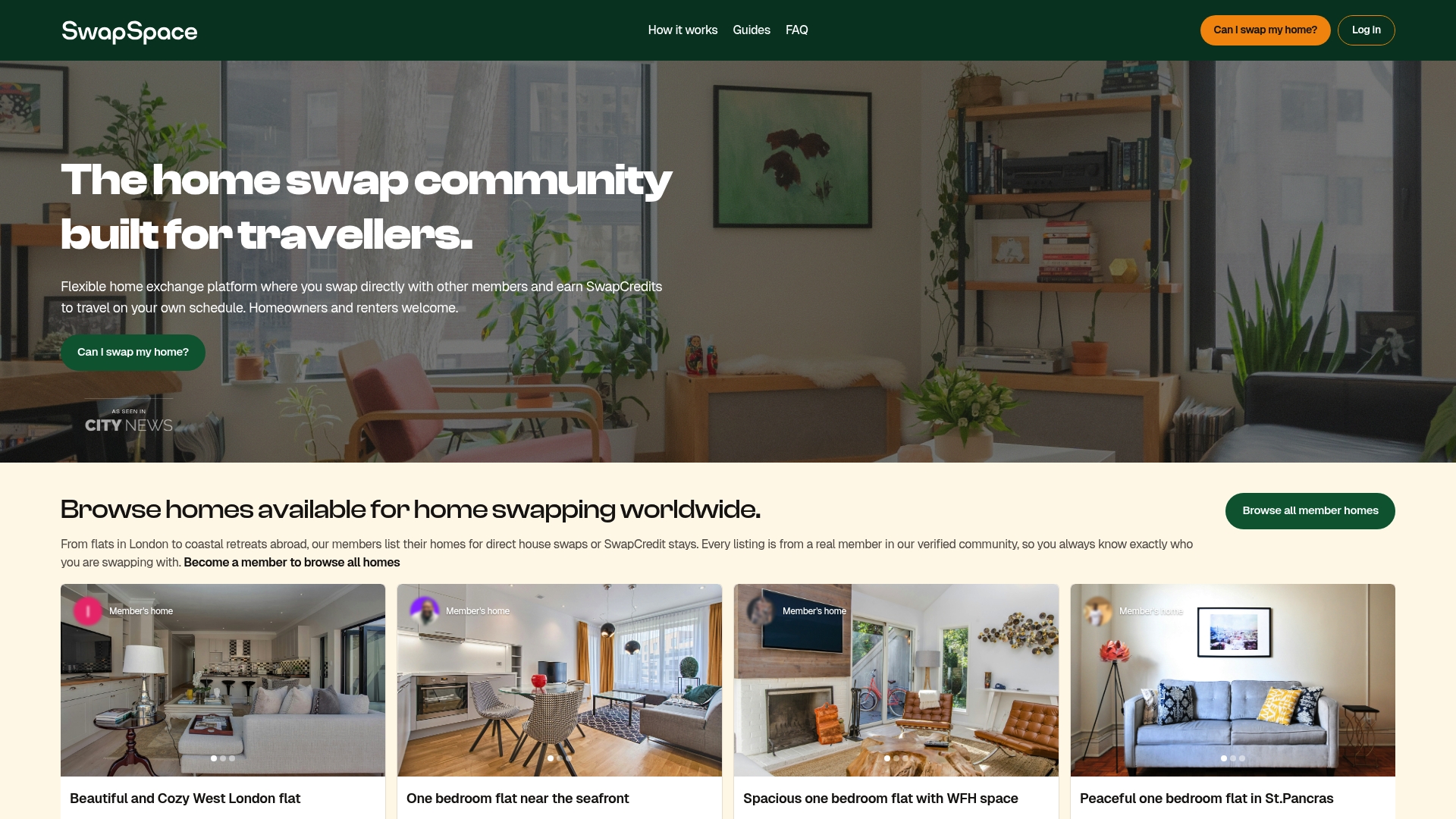
SwapSpace is designed from the ground up to support safe, verified home exchanges. Every member goes through identity verification, and the platform’s invite-only community model means you’re always connecting with people who have been vetted before they ever appear in your search results. Whether you’re a solo traveler, a family planning a summer trip, or a remote worker looking for a month-long stay abroad, the SwapSpace home swap platform gives you the tools to swap with confidence. Take a few minutes to explore how SwapSpace works and see how straightforward safe swapping can be.
Frequently asked questions
What is the most common problem in house swapping?
Minor issues like broken glasses or small wear-and-tear are the most frequently reported concerns, and they are almost always resolved directly and amicably between swappers without platform involvement.
Do house swap platforms cover property damage?
Major platforms offer up to $2 million in property damage protection along with cancellation compensation, though it’s important to review the specific terms since not every type of damage may be covered.
What steps can I take to stay safe during a house swap?
Use video calls to verify your swap partner, lock valuables, sign a detailed written agreement, and keep all payments and communications within the platform’s official channels to avoid fraud.
How do platforms prevent fraud in house swapping?
Platforms use identity and home verification combined with secure in-platform payment handling and active monitoring for suspicious behavior to protect members at every stage of the exchange process.